
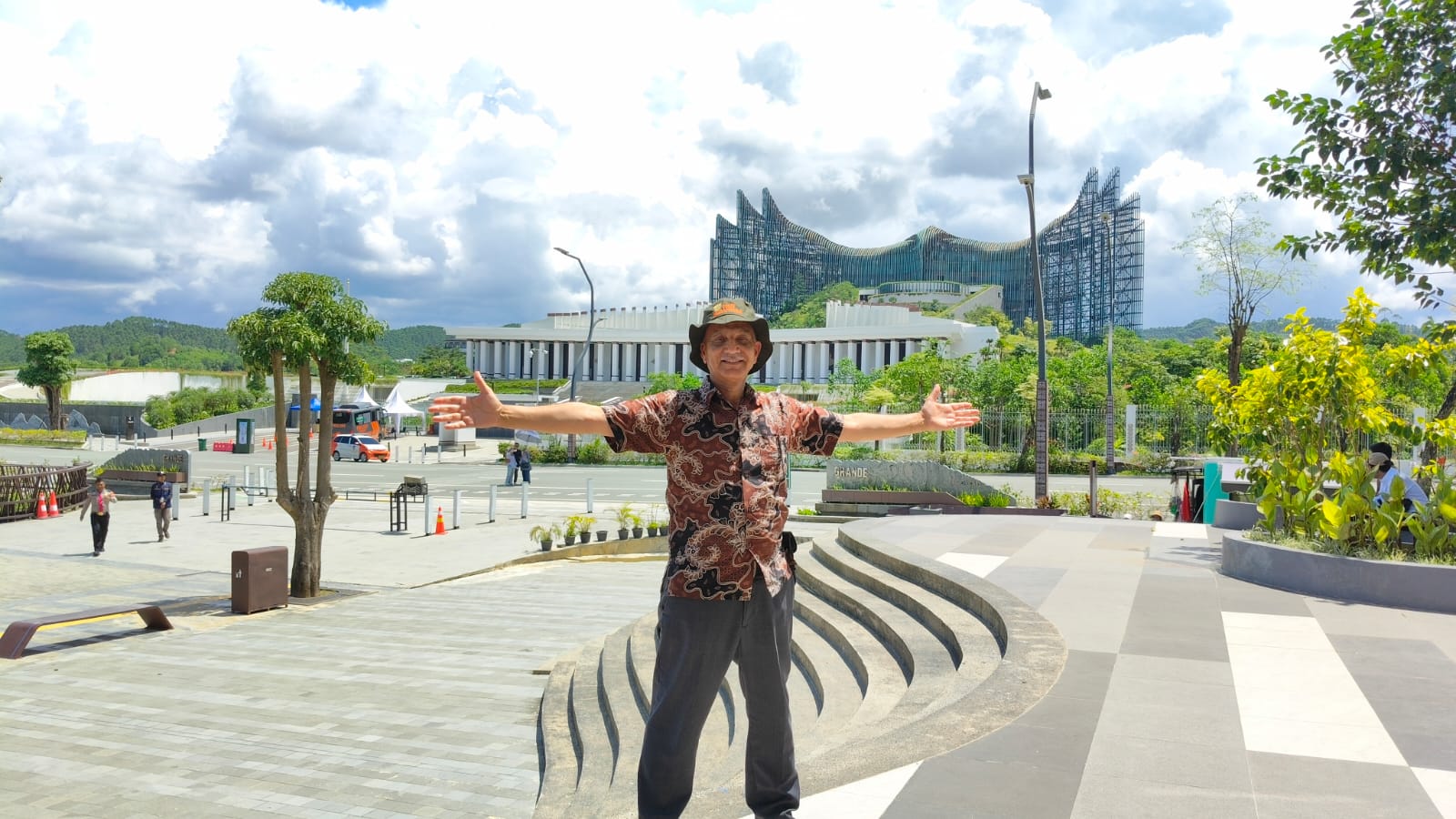
NUSANEWS.CO.ID – IBU KOTA NUSANTARA. Under the bright skies of East Kalimantan, the grand structures of Indonesia’s future capital city, Nusantara Capital City (IKN), stood majestically amid lush tropical forests. From the viewing gallery, the landscape of the new administrative city unfolded beautifully — expansive plazas leading toward the presidential palace, elegant ministry buildings, and vast green spaces harmoniously blending with nature.
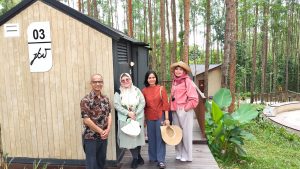 The remarkable view left a deep impression on Dr. dr. M. Afzal Mahmood, PhD, Health Advisor for East Kalimantan from the University of Adelaide, Australia, during his visit to IKN on Saturday (May 16). Accompanied by several colleagues and friends, including Kutai Kartanegara Health Office Head, Ismi Mufiddah, Deputy Director of RSUD AW Sjahranie Hj Masitah, and Samarinda Pos journalist Linda Meilani, Afzal explored the rapidly developing capital city project.
For Afzal, IKN is far more than a new administrative center. He sees it as a representation of Indonesia’s national identity, culture, and future aspirations.
“This is a spectacular development. Looking at the palace is truly a treat to the eyes,” he said.
His attention was immediately drawn to the presidential palace and the giant Garuda structure standing proudly behind it. According to him, the design perfectly symbolizes the grandeur of Indonesia as a vast archipelagic nation with diverse cultures and millions of people.
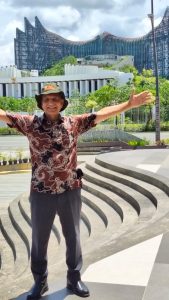 “The palace and the Garuda behind it represent the greatness and scale of Indonesia,” he explained.
This was not Afzal’s first visit to IKN. He recalled visiting the site around two and a half years ago, in 2023, when the area was still under heavy construction.
“Even back then, it was already a very impressive construction site. I knew something very big was being built here,” he remembered.
One aspect that particularly impressed him was how the development maintained Indonesia’s cultural and national identity while embracing modern urban concepts.
He pointed out the presence of national founding figures such as Soekarno and Mohammad Hatta represented in the plaza area, describing it as a strong reminder that the city’s development remains rooted in Indonesian history and values.
“The building designs are not just simple boxes. They are elegant and meaningful,” he said.
Afzal also praised the integration of green spaces, preserved forests, and water features throughout the city, saying they reflect Indonesia’s identity as a nation rich in seas, rivers, and tropical rainforests.
From the elevated viewing point, he admired how the greenery seamlessly blended with the modern government buildings.
“Seeing the entire development from a bird’s-eye view is absolutely fantastic. The lush jungle surrounding the area, the green spaces within the buildings, and the plazas leading to the palace and ministry offices are all very impressive,” he said.
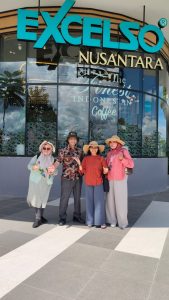 According to Afzal, the city clearly reflects a grand vision and imagination from those who conceptualized and developed it.
“You can truly feel the scale of imagination behind this project,” he added.
He believes IKN will bring major benefits to local communities in Sepaku, Penajam Paser Utara, Paser, Kutai Kartanegara, and across East Kalimantan, especially in education, employment, healthcare, and business opportunities.
Afzal also revealed that he had previously participated in a research collaboration involving local governments, Universitas Mulawarman, and regional stakeholders to understand community perspectives regarding IKN’s development.
“We spoke directly with local communities and saw the great hopes they have for this development,” he said.
During his visit, Afzal also toured a large mosque in the nearby sultanate area, which he described as magnificent and beautifully designed, particularly its prayer halls and facilities.
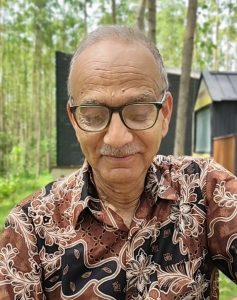 Having worked in Indonesia for more than two decades — including in Jakarta, East Kalimantan, and East Java with universities and hospitals — Afzal expressed his hope to contribute further to the healthcare sector within IKN in the future.
“I hope I can work together with colleagues in the health sector in IKN and contribute to the system within this beautiful new development,” he concluded. (Mei)